From Reunion Island, under the southern sky
Deep sky photos with a smart telescope
This site started with a Seestar S50 and one too many clear nights, on Reunion Island. I help you choose the right smart telescope, then get the best out of your images, with free tools.
Before and after the shoot
Form'Astro helps you at two key moments: choosing the smart telescope that suits you, then getting the best out of your images once the night is over.
Southern sky
The southern hemisphere sky, with a smart telescope
I observe from Reunion Island. Here, Carina, the Magellanic Clouds and Omega Centauri ride high in the sky, while they never rise from Europe. Very little content covers this sky, and that's one of the reasons this site exists.
You live in the southern hemisphere (Australia, New Zealand, South Africa, South America, the Indian Ocean islands...) or you're travelling there with your smart telescope? These targets are for you.
Open the field of view calculatorA few highlights, to frame in the field of view calculator:
NGC 3372
Carina Nebula
Carina
Culminates at 51° from Reunion Island
Never rises from Paris
See the framingNGC 5139
Omega Centauri
Centaurus
Culminates at 64° from Reunion Island
Never rises from Paris
See the framingNGC 6188
Fighting Dragons of Ara
Ara
Culminates at 63° from Reunion Island
Never rises from Paris
See the framingLMC
Large Magellanic Cloud
Dorado
Culminates at 41° from Reunion Island
Never rises from Paris
See the framingNGC 2070
Tarantula Nebula
Dorado
Culminates at 42° from Reunion Island
Never rises from Paris
See the framingNGC 104
47 Tucanae
Tucana
Culminates at 39° from Reunion Island
Never rises from Paris
See the framing
“The raws your telescope gathered last night already contain something beautiful. You just need to know how to bring it out.”
From raw Seestar to final result
Drag the slider to compare raw Seestar S50 images with the post-processed result. This is exactly what the guide teaches you to do.
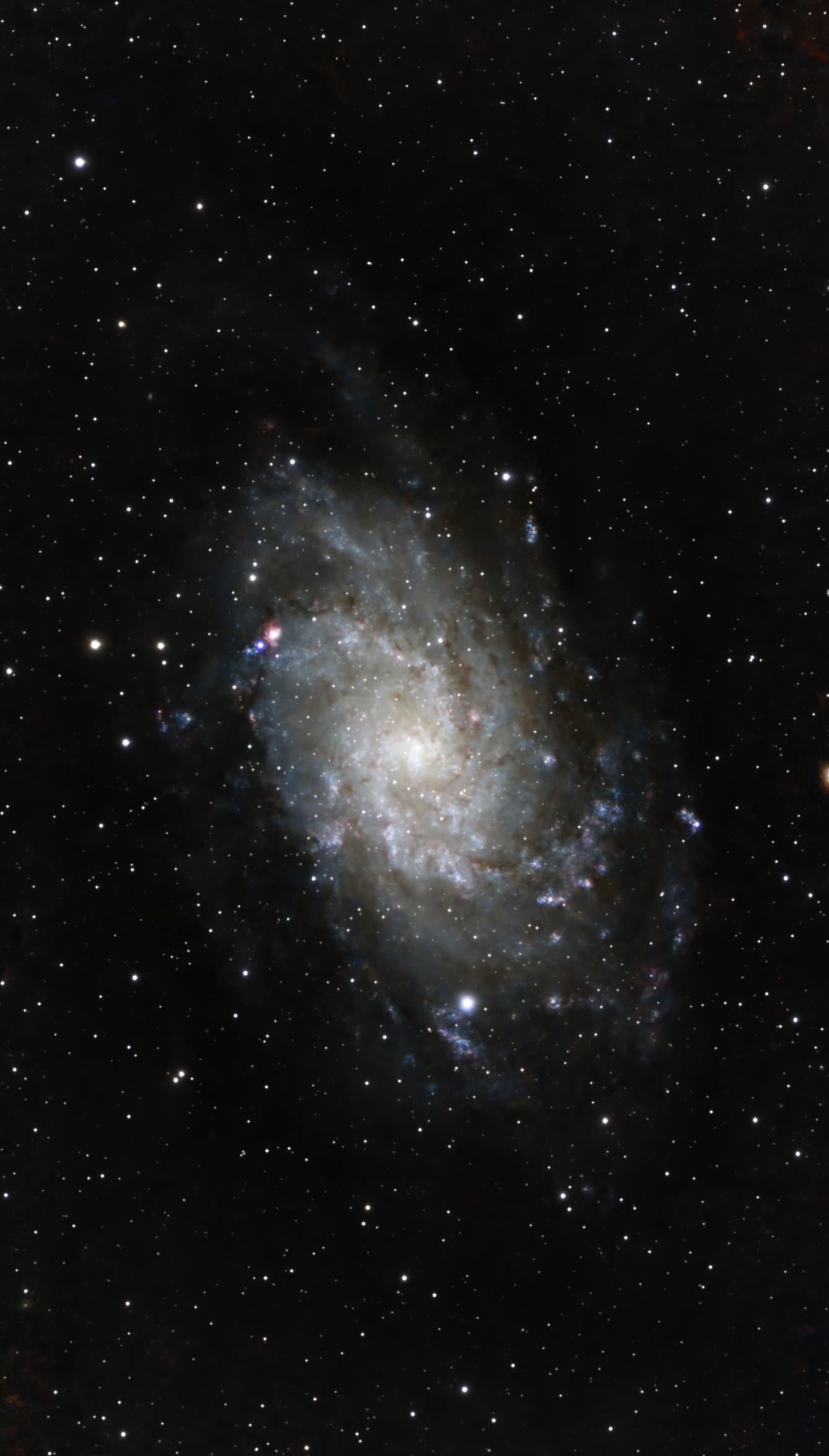
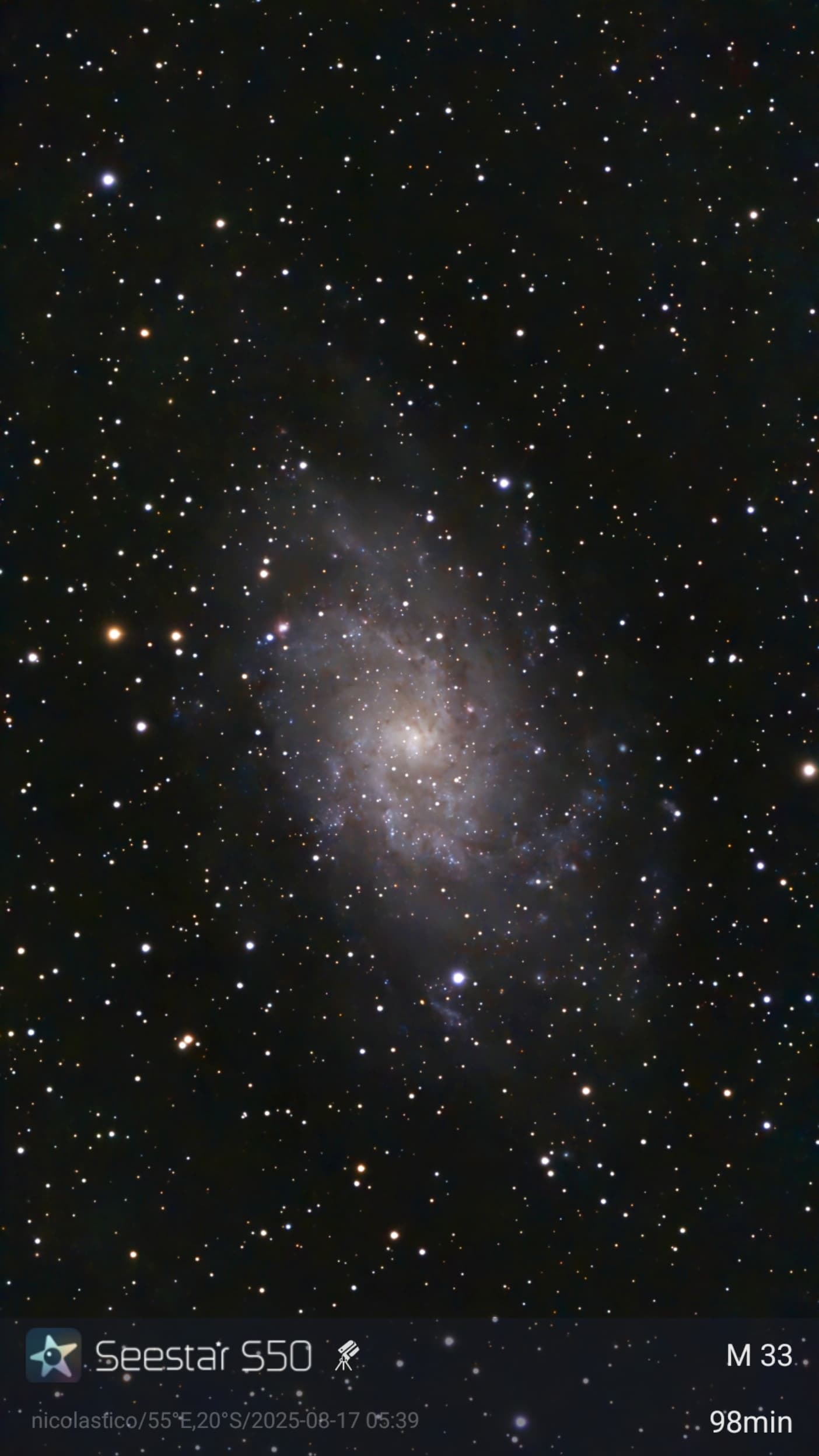 Seestar
M 33 – Galaxie du Triangle
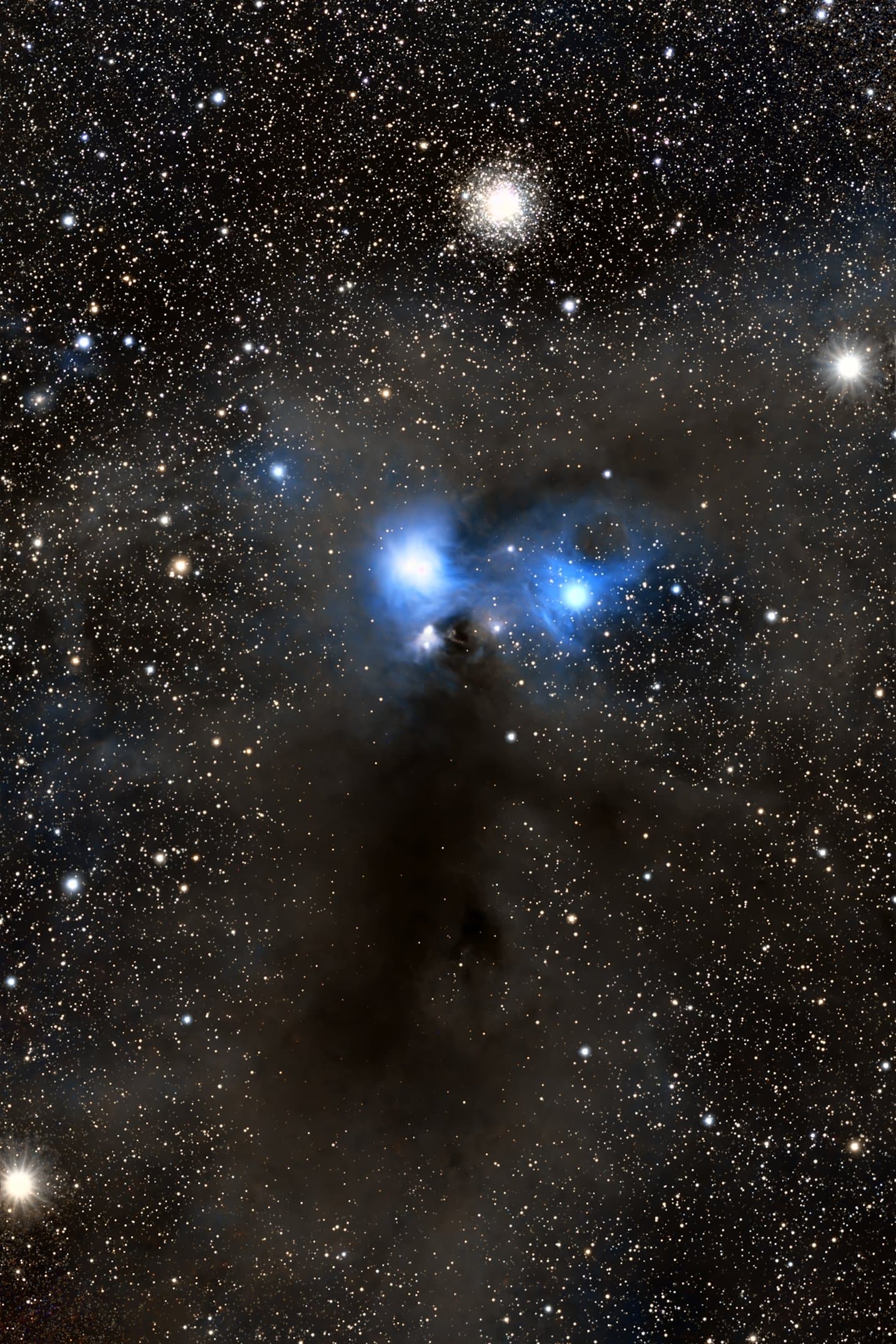
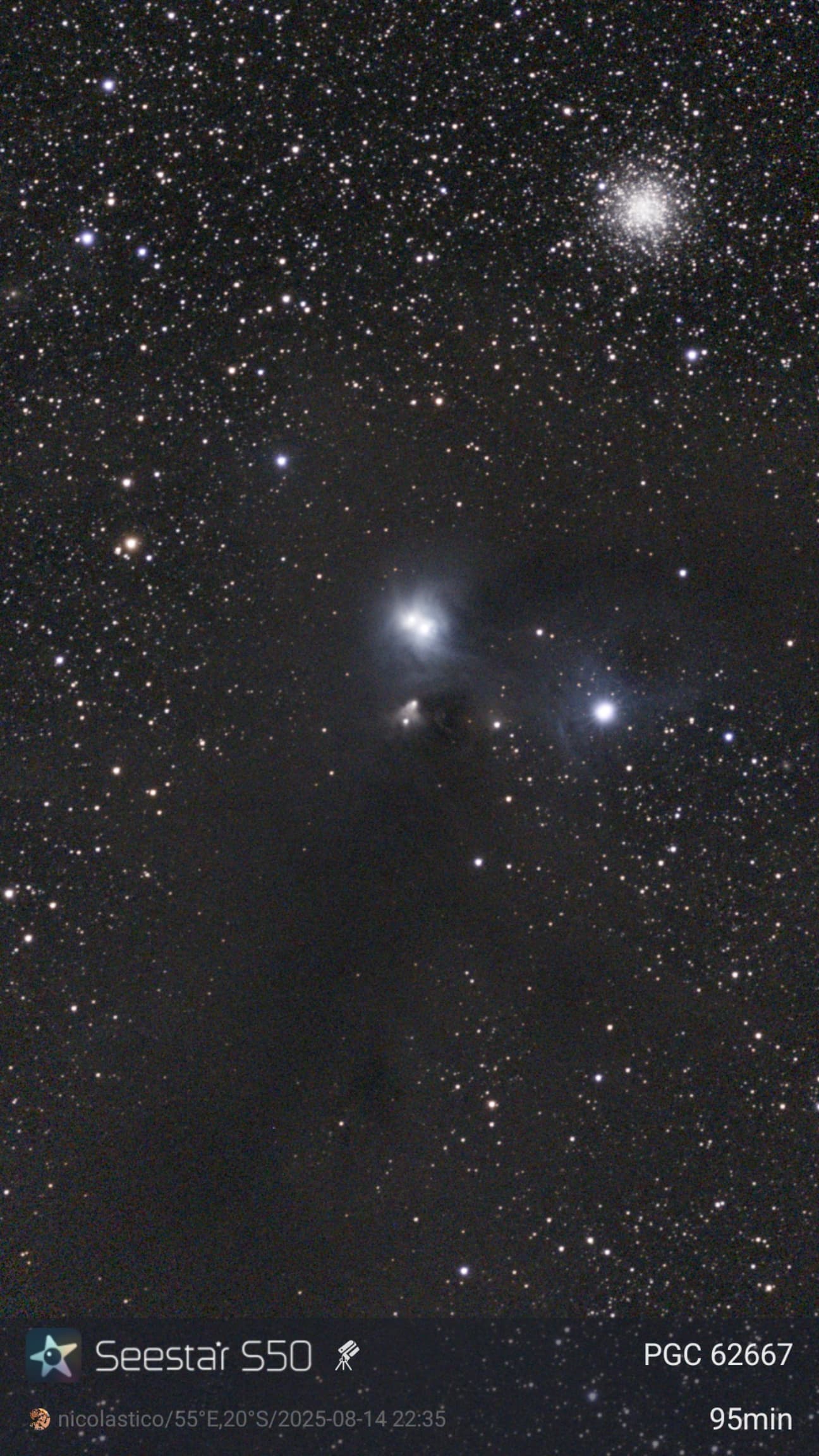 Seestar
NGC 6729 – Nébuleuse de la Couronne
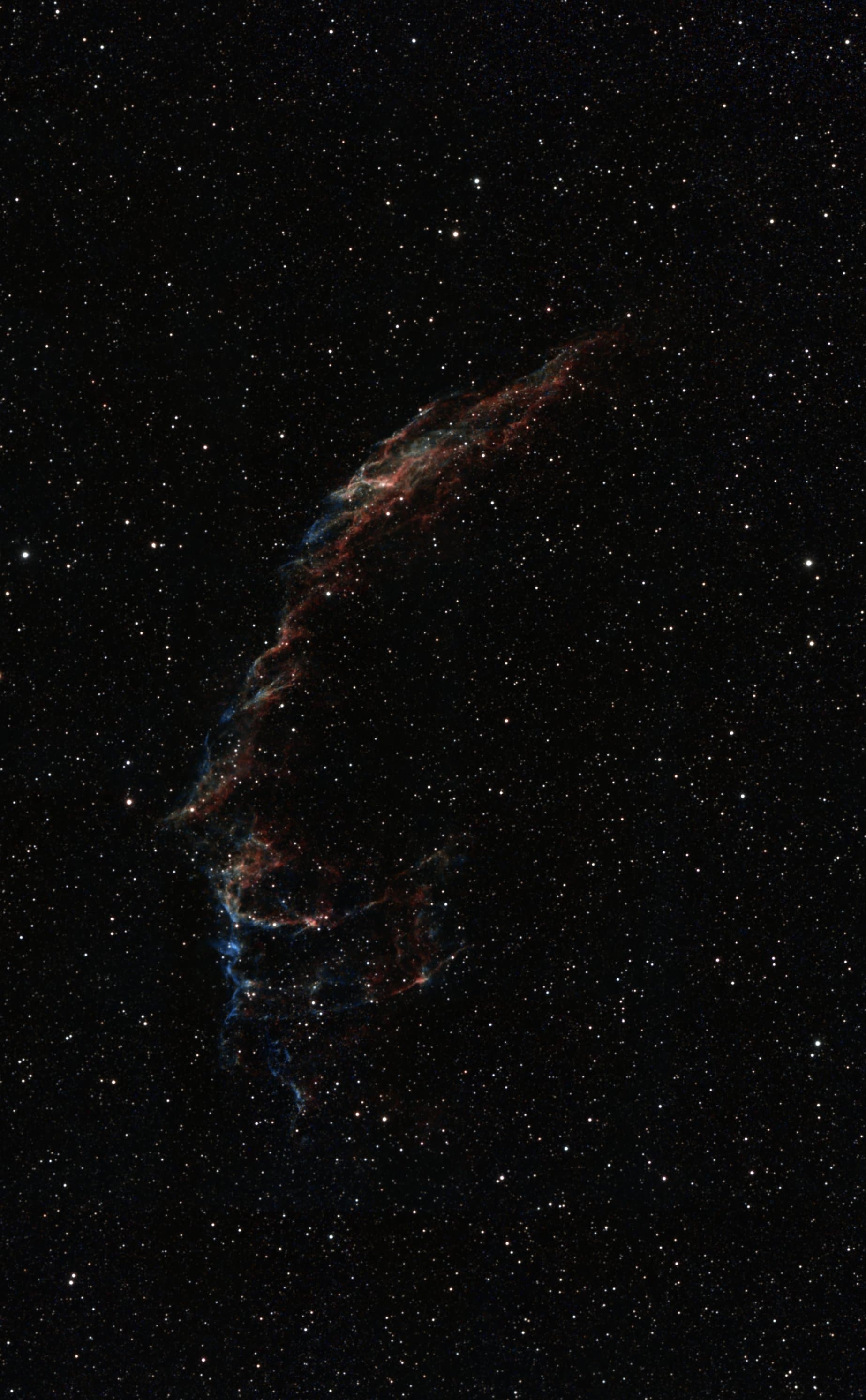
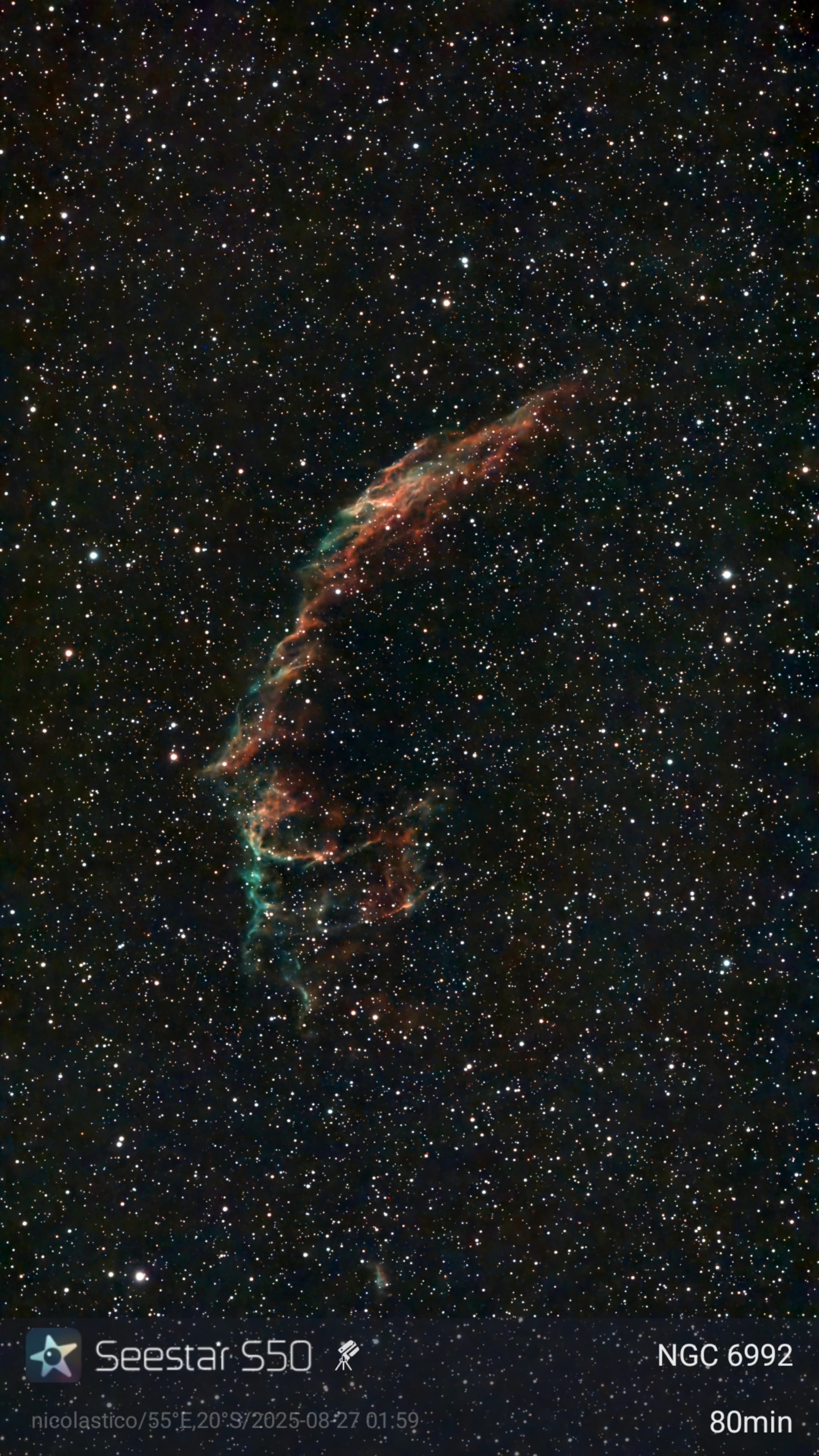 Seestar
NGC 6992 – Dentelles du Cygne
The complete guide
From your first night to the final image
I wrote this guide because I couldn’t find what I needed when I started. No jargon, no unnecessary theory: just what it takes to get an image you’re proud of.
Getting started
Understand what your smart telescope does (and doesn’t), and set up the right conditions for your first night out.
What does my telescope produce?
Raw files, FITS, stacks: understand what you get and how to work with it.
Capturing great images
The right settings, the right number of exposures, choosing targets: everything to maximize quality from the start.
Work environment
Install Siril, GraXpert and scripts in minutes, and organize your files properly.
Process in minutes
Stack, calibrate, remove gradients and export a share-ready image. Painlessly.
Going further
A few concepts to progress at your own pace, without drowning in technicalities.
Toolbox
The free tools I recommend
These programs are enough to get very nice images. The blog articles show you how to use them, step by step.
AstroWizard
The easiest way to start: nine steps in the right order and a clear path. With StackingWizard to stack your frames beforehand.
Siril
The free reference: stacking, calibration, gradient removal, stretching. More demanding, but it can do everything.
GraXpert
Removes light-pollution gradients and noise in a few clicks, thanks to AI. Works with AstroWizard as well as Siril.
Stellarium
Prepare your nights before taking the telescope out: targets visible tonight, their altitude and the best time to shoot them.
“The first time a nebula appears on screen after processing, you understand why you do this.”
Got a smart telescope and files to process?
That’s exactly why I wrote this guide. 91 pages, no jargon, free tools, and a method I wish I’d had from day one.
Discover the guideBrowse the gallery of processed images